From November 4-5, 2025, the "Symposium on Hong Kong and Macao Chinese Academic Journals and Think Tank Development" was successfully held at Hong Kong Baptist University. The symposium was organizd by 优米直装下载app, co-organized by Hong Kong Baptist University, and hosted by Hong Kong Advanced Research Institute, 优米直装下载app and other institutions. It focused on two main topics: the development and evaluation of Chinese academic journals in Hong Kong and Macao, and the high-quality development of think tanks in the Guangdong-Hong Kong-Macao region. Chen Yunsong, Deputy Chair of NJU CPC Council, attended the symposium.
On November 4, a special session on journal development was held. In his opening remarks, Chen Yunsong stated that Chinese academic journals in Hong Kong and Macao possess unique cultural value and academic status, serving as important bridges for Chinese scholarship to reach the world. He reviewed NJU's academic tradition in upholding integrity and innovation, particularly the development journey of the Chinese Social Sciences Citation Index (CSSCI) from its inception to becoming a nationally important evaluation platform for philosophy and social sciences. He pointed out that last year, a symposium on high-quality development of philosophy and social science journals was held at NJU, where the "Nanjing Initiative for High-Quality Development of Philosophy and Social Science Journals" was released. He expressed hope to work hand in hand with colleagues from Hong Kong and Macao to jointly enhance the international influence of Chinese academic journals.
Lu Mingdong, Head of the Department of Chinese Language and Literature at Hong Kong Baptist University, stated that Hong Kong, as an international education hub, has unique advantages in Chinese academic journal development. He emphasized the need to establish the subjectivity of Chinese academic journal evaluation, create a favorable academic ecological environment, improve review mechanisms, enhance international influence, and promote high-quality development of Chinese academic journals.
Wu Qiang, Director of the China Social Science Research Evaluation Center at NJU, gave a report on the specific work of the Center, focusing on "High-Quality Development of Philosophy and Social Sciences and New Directions in Journal Development." Wang Wenjun, Director of 优米直装下载app Press, reviewed the historical origins of Hong Kong and Macao journals' inclusion in CSSCI, and expressed hope that the academic community would participate in global academic governance with greater confidence, jointly promoting the prosperous development of Chinese scholarship.
Journal editors including Professor Zhang Hongsheng from Hong Kong Baptist University, Professor Cai Zongqi from Lingnan University, Professors Li Zhitian and Deng Siying from The Chinese University of Hong Kong, Professor Luo Xiangxi, Editor-in-Chief of China Review News Agency, Professor Jin Jing from The Education University of Hong Kong, Professors Lin Shaoyang and Lin Yufeng from University of Macau, Professor Chen Zhixiong from Macao Polytechnic University, and Professor Ren Jianmin from Sun Yat-sen University made exchange presentations, introducing the history and characteristics of their respective publications, and discussing the current status, features, and development needs of Hong Kong and Macao journals.
During the symposium, a ceremony for the distribution of CSSCI (2025-2026) inclusion certificates was also held.

On November 5, a special session on high-level think tank development and evaluation was held. Chen Yunsong introduced NJU's exploration and contributions in the development and evaluation of new-type think tanks with Chinese characteristics. He emphasized that the Guangdong-Hong Kong-Macao Greater Bay Area has unique conditions for connecting mainland research advantages with Hong Kong and Macao's international platforms. Hong Kong think tanks and mainland think tanks need to strengthen collaborative cooperation, jointly constructing a think tank evaluation system with global vision and Chinese perspective. Through the organic combination of academic standards, social standards, and international standards, the world can better understand the professionalism, constructiveness, and openness of Chinese think tanks, and voice clearer and more powerful Chinese voices in the global governance system.
Jiang Jing, Deputy Director of the Yangtze IDI at NJU, reported on how university think tanks can leverage their advantages to establish normalized, multi-level, and wide-ranging mechanisms for serving the nation. Li Gang, Director of China Think Tank Research and Evaluation Center at NJU, introduced the center's development path and the experiential achievements in think tank research evaluation, talent cultivation, and consulting services.
Ye Guiping, Vice President of City University of Macau; Zheng Yujie, Vice President of China Development Institute (Shenzhen); Wei Zhijiang, Distinguished Professor at the School of Public Affairs of Zhejiang Gongshang University and Professor at the School of International Relations of Sun Yat-sen University; Chen Meng, Director of Hong Kong Ta Kung Wen Wei Media Group and other participants explored the challenges and opportunities facing think tank development from multiple perspectives, advocating for the construction of a think tank community oriented toward major national strategies.
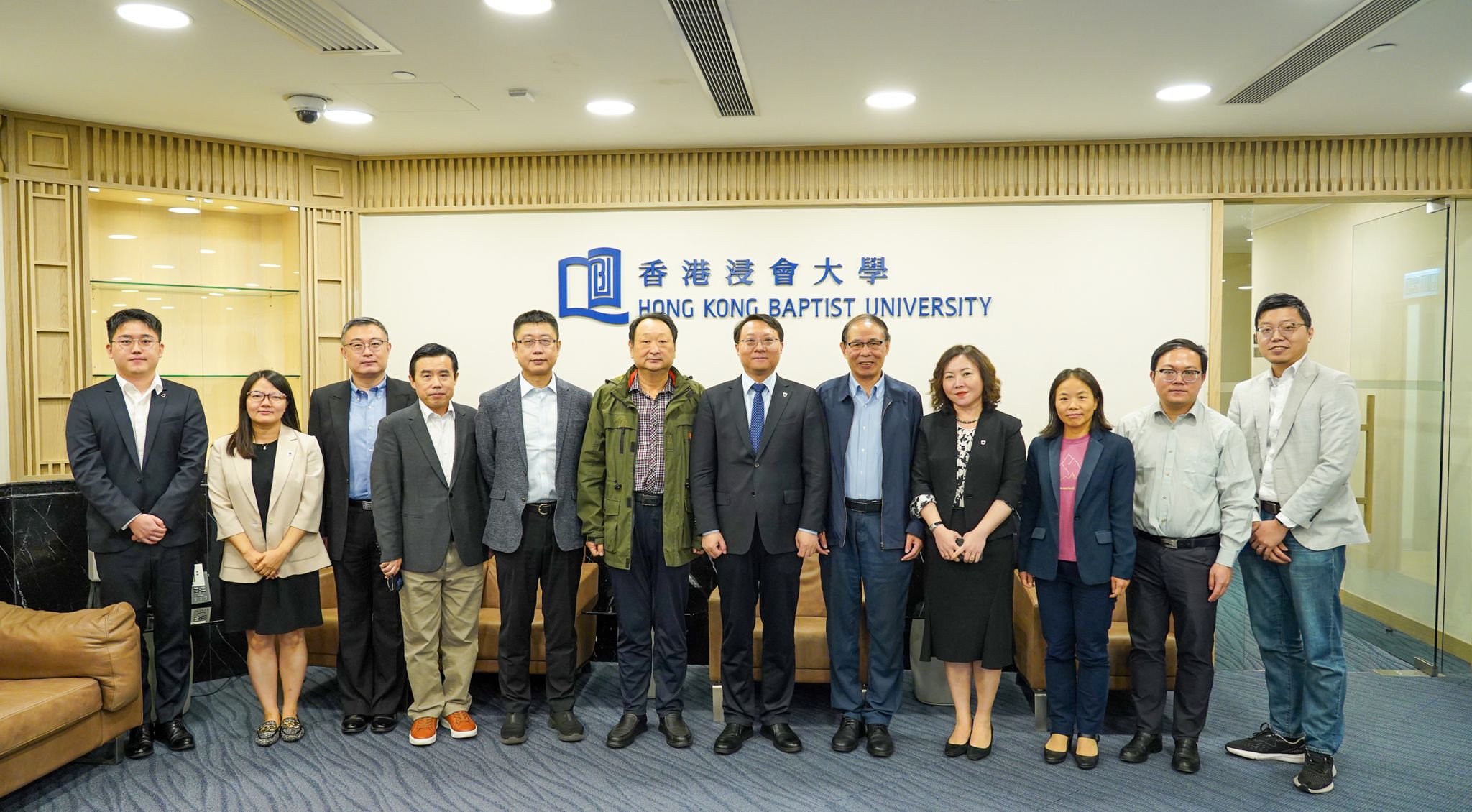
Gao Fang, Director of the Office of Humanities and Social Sciences of NJU, chaired the conference. NJU will fully leverage the locational advantages of its HHong Kong Advanced Research Institute, taking this symposium as an opportunity to continuously deepen cooperation and exchange with top universities and research institutions both domestically and internationally, including Hong Kong and Macao regions, explore new paths and models for high-quality development of Chinese academic journals in the digital and international era, further advance the scientification, systematization, and internationalization of think tank evaluation, focus on enhancing the subjectivity and originality of academic evaluation discourse power, and work together to create a new situation for the prosperous development of Chinese scholarship.